Free Shipping to Greece & Cyprus on all orders above €100 Build Your Custom Essentials Set & Get a FREE Pouch! Free Shipping to Greece & Cyprus on all orders above €100 Build Your Custom Essentials Set & Get a FREE Pouch! Free Shipping to Greece & Cyprus on all orders above €100 Build Your Custom Essentials Set & Get a FREE Pouch! Free Shipping to Greece & Cyprus on all orders above €100 Build Your Custom Essentials Set & Get a FREE Pouch!
Free Shipping to Greece & Cyprus on all orders above €100 Build Your Custom Essentials Set & Get a FREE Pouch! Free Shipping to Greece & Cyprus on all orders above €100 Build Your Custom Essentials Set & Get a FREE Pouch! Free Shipping to Greece & Cyprus on all orders above €100 Build Your Custom Essentials Set & Get a FREE Pouch! Free Shipping to Greece & Cyprus on all orders above €100 Build Your Custom Essentials Set & Get a FREE Pouch!
Women’s Health Without Taboos: An Open Conversation with Dr. Maria Panagiotou
How many things about our bodies do we consider “normal” without ever asking whether they truly are?
How many times have we searched something on Google instead of asking our gynaecologist?
And how many questions about intimate health, hormones, fertility or menopause remain unanswered simply because we feel embarrassed or don’t know how to ask them?
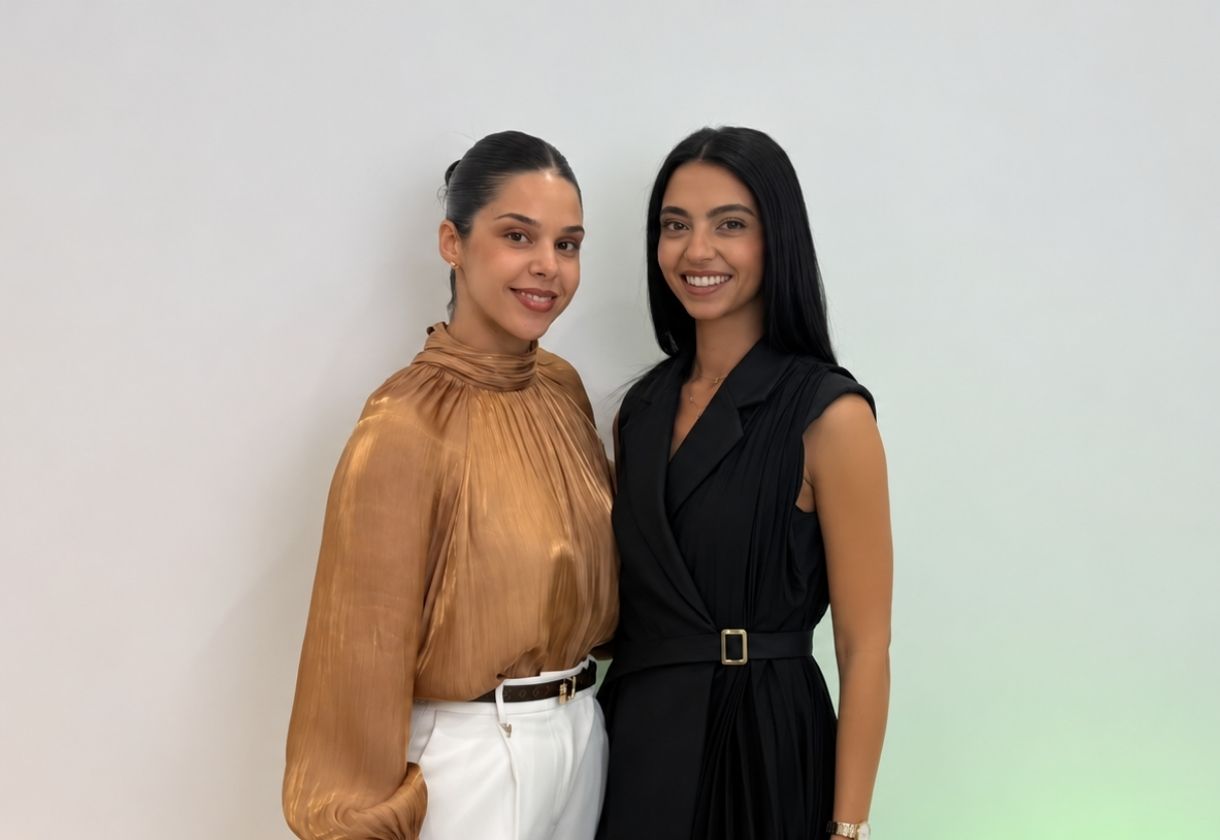
In this episode of our podcast, Chrystallena Poulli welcomes Dr. Maria Panagiotou, Obstetrician-Gynaecologist, for an open and easy-to-understand conversation dedicated to women’s health.
A conversation without unnecessary taboos or complicated medical terminology, featuring questions many women have thought about — but perhaps have never dared to ask.
In this episode, you’ll learn:
Whether you really need special products for daily intimate care, and what to look for in their ingredients
How the phases of your cycle can affect your mood, energy and appetite
Why PCOS is being renamed PMOS, and what it means for fertility
When female fertility starts to decline, and when to start learning about egg freezing
Intimate health: are we sometimes doing more than we need to?
The intimate area is surrounded by a great deal of misinformation.
Every day, we see products promising cleanliness, freshness, balanced pH or protection from odour. But how many of these products do we actually need?
In our conversation with Dr. Maria Panagiotou, we talk about the pH and microbiome of the intimate area, what is considered normal, and how some everyday habits can disrupt its natural balance.
We also answer questions such as:
Do we really need special products for daily intimate cleansing?
What should we look for in the ingredients of an intimate care product?
Is it enough for a product to say “pH balanced”, “fragrance-free” or “natural”?
Can excessive cleansing actually cause problems?
When do itching, burning or irritation require an examination by a gynaecologist?
And perhaps most importantly, we clarify something that is often misunderstood: the vulva and the vagina are not the same thing, which means that not every product should be used everywhere in the intimate area.
Do hormones really affect our mood?
“It’s my hormones.”
A phrase almost all of us have said or heard at some point. But how much truth is there behind it?
During the episode, we go through the different phases of the menstrual cycle in a simple way and discuss how hormonal changes can be linked to our mood, energy levels, appetite, bloating and, more generally, how we feel throughout the month.
We also discuss PMS and the point at which an intense symptom should not simply be attributed to hormones and ignored.
And, of course, we talk about one of the biggest trends of recent years: cycle syncing. Do we really need to change our diet, exercise and daily routine depending on the phase of our cycle?
From PCOS to PMOS: why is the name changing?
One of the most interesting topics in our conversation is the condition widely known until now as PCOS — Polycystic Ovary Syndrome, which is now transitioning to the new term PMOS.
What does this change mean? Why could the previous name create misconceptions? Does a woman actually need to have “cysts” on her ovaries to have the syndrome?
We discuss symptoms that may occur, such as changes in the menstrual cycle, acne, increased hair growth or metabolic changes, as well as one question that concerns many women:
If I have PCOS/PMOS, does it necessarily mean I will have difficulty having a baby?
A subject worth understanding better, without panic.
Fertility and age: how much time do we really have?
Perhaps one of the most important conversations in the episode.
The life of the modern woman has changed. Education, career, financial independence, personal choices and the timing of meeting the person with whom we want to start a family all mean that many women are choosing to have children later in life.
Biology, however, follows its own rhythm. So we openly discuss:
When does female fertility actually begin to decline?
What happens after the age of 35?
If a woman is 30 or 32 and is not yet thinking about having children, is there anything she should know now?
When is it worth at least starting to learn about egg freezing?
And when a couple is having difficulty conceiving, why shouldn’t the conversation focus only on the woman?
The aim of this conversation is not to create anxiety. Quite the opposite: knowledge gives us the ability to make more informed decisions about our bodies and our future.
Perimenopause and menopause: a stage we need to talk about more
For many years, conversations around women’s health focused mainly on periods, pregnancy and fertility. But what comes next?
Perimenopause and menopause are natural stages in a woman’s life, yet many women reach them without knowing what changes they may experience.
In the podcast, we discuss when perimenopause can begin and which signs can easily go unnoticed. And we are not only talking about hot flushes.
We talk about sleep, mood, concentration, libido, changes in the body, as well as dryness and sensitivity in the intimate area as hormone levels change.
And we ask a very important question:
Should a woman simply accept that she has to suffer because she has entered menopause?
The more we understand our bodies, the better we can care for them
Perhaps this is the most important message of the entire episode.
Women’s health should not be something we feel embarrassed to talk about.
From our first period and sexual health to fertility, hormonal changes and, later, menopause, our bodies are constantly evolving. And the better we understand them, the easier it becomes to recognise what is normal and when it is worth speaking to the appropriate healthcare professional.
Watch the full conversation between Chrystallena Poulli and Dr. Maria Panagiotou and hear the answers to questions you may have thought about too — but perhaps never asked.
The content of the podcast and this article is for informational purposes only and does not replace personalised medical advice, diagnosis or treatment.